Amazon Sellers: 5 Quality Control Checks China Suppliers Must Pass

Amazon Sellers: 5 Quality Control Checks China Suppliers Must Pass
Book the inspection that matches your order’s stage: a during-production check while goods are still on the line, or a pre-shipment inspection once cartons are packed. Use that report as your basis to hold, rework, or release the shipment before you send the final balance payment. If a supplier is new or the category carries recall risk, add a factory audit and a recurring inspection schedule as well.
TL;DR:
- Book inspections aligned with production stages: during production for early fixes and pre-shipment for final quality checks, especially before releasing final payment.
- Schedule inspections early, ideally with two weeks’ notice for PSI, to ensure sufficient time for corrective actions and avoid rushed, less reliable reports.
- Choose the inspection provider based on credentials such as ISO accreditation, independence, specialized categories, and comprehensive digital reporting, not just price.
- Focus inspections on high-risk products or categories with recall history, regulatory needs, or Amazon FBA compliance requirements like barcode and labeling standards.
- Conduct factory audits before placing orders with new suppliers to verify capacity and management, not just rely on visual inspections or photographs.
Looking for a tool to run the numbers? ResellReady's reseller profit calculator pulls live comps across eBay, Depop, Mercari, and Poshmark and calculates true net profit after fees. Compare plans and pricing — Basic starts with a 3-day free trial.
Table of Contents
- What Quality Control China Suppliers Services Actually Cover
- When Should You Schedule Inspections and Audits?
- How Do You Choose a Reliable Third-Party Inspection Provider?
- What Do Inspections Cost and How Long Do They Take?
- Reading the Inspection Report: What to Look For and What to Do Next
- Which QC Providers Should You Actually Consider?
- Build a Supplier-Vetting Checklist Before You Ever Book an Inspection
- Avoid These Common QC Mistakes
- Cut Inspection Costs by Knowing Which Orders Actually Need Them
- Sources
What Quality Control China Suppliers Services Actually Cover
Quality control China suppliers services break down into five distinct checkpoints, and confusing them is the single most common mistake importers make. Each one answers a different question at a different point in production.
An Initial Production Check (IPC) happens right after raw materials arrive and the first units come off the line. It confirms the factory is working from the right specs before they commit to a full run. A During Production Inspection (DPI), sometimes called an in-line inspection, happens once 20% to 60% of units are finished. It catches structural or material defects early enough to fix them without scrapping an entire order.
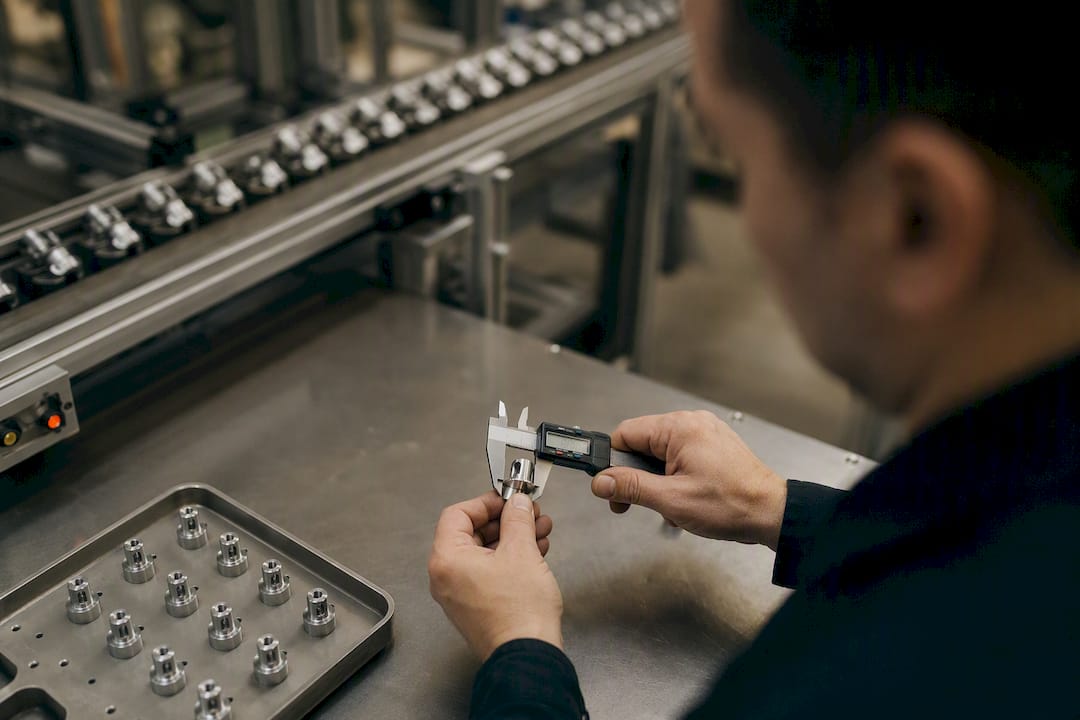
Pre-shipment inspection (PSI) is the one most sellers already know. It happens once goods are packed, checking finished goods, AQL defect rates, packaging, labeling, carton count, and total quantity before you release final payment. Think of PSI as your last real checkpoint. Once the container door closes, your leverage with the supplier drops sharply.
A Container Loading Check (CLC) verifies the right goods, in the right quantity, get loaded correctly and that the container itself is clean and sound. Skip this and you risk water damage, wrong SKUs, or a partial shipment you don’t discover until it lands.
Factory audits are a different animal entirely. Rather than checking a batch of product, they check the factory itself: production capacity, quality management systems like ISO 9001, and social or ethical compliance. Audits matter most before you place a first order, not after.
Lab testing sits apart from visual and functional inspection. You need it when:
- Regulatory compliance is at stake (CPSIA for kids’ products, FCC for electronics, REACH for chemicals)
- The claim on your packaging needs verification (waterproof rating, material composition, load capacity)
- The category has a history of safety recalls (toys, batteries, cosmetics)
For Amazon sellers specifically, build FBA requirements directly into your inspection scope. That means checking barcode placement and scannability, poly bag and suffocation warning compliance, carton labeling against Amazon’s prep guide, and unit counts per master carton. A generic PSI checklist won’t catch an FBA rejection waiting to happen at the fulfillment center; you have to ask for it explicitly.
When Should You Schedule Inspections and Audits?
Timing is where most sellers lose money, not on the inspection fee itself but on rework, rush fees, or shipments that go out with defects baked in. Here’s the order that actually protects you:
- Factory audit, before the first PO. Do this once per new supplier relationship, not per order. It tells you whether the factory can realistically handle your volume and specs.
- IPC, within the first few days of production. Catch spec deviations while there’s still time to correct the whole run.
- DPI, once 20% to 60% of units are complete. This is your early warning system for defects that would otherwise show up in every remaining unit.
- PSI, when 80% to 100% of goods are packed. This is the checkpoint tied to your final balance payment, and it’s your last chance to catch a problem before the goods leave the factory.
- CLC, at loading. Confirms quantity and container condition right before the doors shut.
Booking early changes your outcomes more than almost any other lever you control. A PSI booked with two weeks’ notice gives the inspector time to coordinate with the factory and gives you time to act on the findings. A PSI booked 48 hours before your freight forwarder needs the container gets you a rushed inspection, a rushed report, and zero real leverage if defects turn up, because you’re already committed to the ship date.
Pre-shipment inspection is also not a stand-in for Factory Acceptance Testing (FAT). If you’re importing equipment where functional performance has to be witnessed under load, a standard PSI won’t verify that performance; you need FAT scheduled as its own event, typically before final packing begins. Sellers moving simple consumer goods rarely need FAT. Sellers importing machinery, generators, or anything with moving parts under stress usually do.
Line up your inspection dates against your payment schedule and your Amazon shipping deadlines before you ever place the PO. A supplier who knows the PSI date is fixed behaves differently than one who thinks they can push the date around.
How Do You Choose a Reliable Third-Party Inspection Provider?
Picking a provider is where a lot of research on Chinese supplier quality assurance falls apart into vague reassurance. Here’s what actually separates a provider worth paying from one that’s just filling out a checklist.
Look for these credentials before anything else:
- ISO/IEC 17020 accreditation for the inspection body itself, which governs competence and impartiality of inspection organizations
- ISO/IEC 17025 or CNAS-accredited lab partnerships, if your product needs testing beyond visual and functional checks
- Inspector independence, meaning the same inspector isn’t repeatedly assigned to the same factory month after month
- A digital reporting platform with photo-rich output rather than a scanned paper form
- Product-category specialization relevant to what you’re shipping (electronics, textiles, toys, hardgoods)
- Local project manager availability who speaks your language and the factory’s
Before you book, ask the provider these questions directly:
- What sampling plan and AQL level do you use by default, and can I set my own?
- How many photos come with the standard report, and can I request more?
- What’s your reinspection policy if the first inspection fails?
- Do you retain samples, and for how long?
- Is your lab partner ISO/IEC 17025 or CNAS accredited?
- What format do I get the data in, and can I export it for my own records?
Red flags to walk away from: no photo evidence in sample reports, vague answers about sampling methodology, an inspector who’s clearly assigned to the same factory every time (a relationship risk, not a coincidence), and no written refund or guarantee policy. A factory audit done properly checks production capacity and quality management systems, and a provider who can’t clearly explain their audit methodology probably doesn’t have one worth trusting.
Pro Tip: Ask for a sample report from the exact product category you’re shipping, not a generic template. A furniture report and an electronics report should look nothing alike, and if a provider sends you the same boilerplate for both, that’s a tell.
What Do Inspections Cost and How Long Do They Take?
Budgeting for quality inspection services in China comes down to man-day rates, sampling scope, and how fast you need results. Entry-level third-party inspection rates in the market range from roughly $149 to $320 per man-day, with some providers advertising starting prices around $198 to $268. That day rate typically bundles the inspector’s time, local travel, and administrative reporting, not just the hours on the factory floor.
What moves that number up or down:
- Product complexity. A simple molded plastic item takes less inspector time than an electronic device with multiple functional tests.
- Order size and sampling method. AQL sampling (checking a statistically valid subset) costs far less than 100% inspection, but categories with safety exposure sometimes justify the higher spend.
- Urgency. Same-day scheduling and rushed report turnaround cost more than booking a week or two out.
Report turnaround itself usually falls into same-day, 24-hour, or 48-hour windows, and larger firms advertise on-site coverage within 24 to 48 hours of booking as a standard trust signal. Faster turnaround is available almost everywhere, but you pay a premium for it, and that premium is usually smaller than the cost of a delayed shipment.
Reading the Inspection Report: What to Look For and What to Do Next
A report is a decision document, not a formality to file away. It needs to give you enough to act, not just enough to acknowledge someone showed up.
Look for these elements in every report you receive:
- Inspector credentials and the date/location of inspection
- The sampling plan used, with actual measurement data, not just pass/fail summaries
- High-resolution photos tied to each finding
- A logged list of non-conformities with severity ratings (critical, major, minor) and the supplier’s response to each
- A clear disposition recommendation: release, hold, or rework
A professional report should include measured non-conformities, sampling methodology, and photographic proof strong enough that the buyer, not just the inspector, can judge whether the shipment is fit to ship.
Once you have that report, your decision flow is straightforward: release if defects are within AQL limits, conditional release if the supplier commits to specific corrective action, hold and rework if critical defects exceed tolerance, or reinspection if the fix needs verification before you’ll pay the balance.
Don’t treat each report as a one-off. Logged over time, inspection data reveals which suppliers consistently run clean and which ones need a DPI on every order. Sellers who run regular independent PSIs often see defect rates drop 10% to 15% simply because suppliers know inspection is coming and adjust their own internal checks accordingly.
Which QC Providers Should You Actually Consider?
The inspection market splits roughly into two camps, and knowing which one fits your order matters more than picking a name off a list.
Global, lab-backed firms built for complex testing and multi-country reporting include names like SGS, Intertek, TÜV, CTI, GRGTEST, CCIC, and QIMA. These firms typically carry the deepest accreditation stack (ISO/IEC 17025-accredited labs, ANAB or ILAC recognition) and are strongest when you need regulatory testing alongside visual inspection, or when you’re sourcing across multiple countries and want one reporting format everywhere. Pro QC International fits here too, with a long track record in complex-equipment FAT work.
China-native, fast-coverage firms are built for speed and local density rather than global lab networks. This group includes TESTCOO, TruMark QC, Tetra Inspection, Sinospect, HQTS, AQI Service, V-Trust, China Inspection Service Limited (CIS), and TradeAider. Several, including TruMark QC, advertise transparent pricing and rapid on-site coverage across dozens of Chinese cities, plus refund or guarantee policies tied to report quality, exactly the trust signals a first-time importer should be checking for.
Match the provider type to your actual order, not just the biggest logo:
- High-volume brands with regulatory exposure lean toward the global lab-backed group for consistent, defensible testing data.
- One-off or low-volume Amazon FBA resellers usually get better value from a China-native firm with fast local coverage and FBA-specific checklist experience.
- Anyone bringing on a brand-new factory relationship should pair either provider type with a standalone factory audit first.
Build a Supplier-Vetting Checklist Before You Ever Book an Inspection
Inspections work best as the last step in a vetting process, not the only one. Before you spend on a QC visit, verify the supplier’s business license, request current factory photos, and confirm real production capacity against your order volume. Run a small pilot order and pull certificates for anything safety-related.
Resell-ready’s verified supplier database helps you clear that first layer faster, while ASIN-level insights and ROI tracking tell you which orders carry enough margin at risk to justify a DPI and PSI versus a lighter check. Prioritizing inspection spend by ROI exposure, not gut feeling, is how experienced sellers keep QC costs proportional to what’s actually on the line.
Avoid These Common QC Mistakes
Supplier photos lie, or at least they lie by omission. I’ve seen sellers approve a run off a WeChat photo set that turned out to be shots of a completely different production batch. Book the inspection before you trust the picture.
The other recurring error is timing: sellers wait until the goods are packed to think about quality, when a DPI two weeks earlier would have caught the defect while it was still fixable. And don’t assume PSI covers functional testing under load. If your product has moving parts, ask for FAT by name.
— Christian
Cut Inspection Costs by Knowing Which Orders Actually Need Them
Not every order deserves the same inspection budget, and that’s exactly where Resell-ready earns its keep. Instead of booking a full PSI on every shipment out of habit, Resell-ready gives you the ROI and net-profit data to see which orders carry real margin risk and which ones don’t.
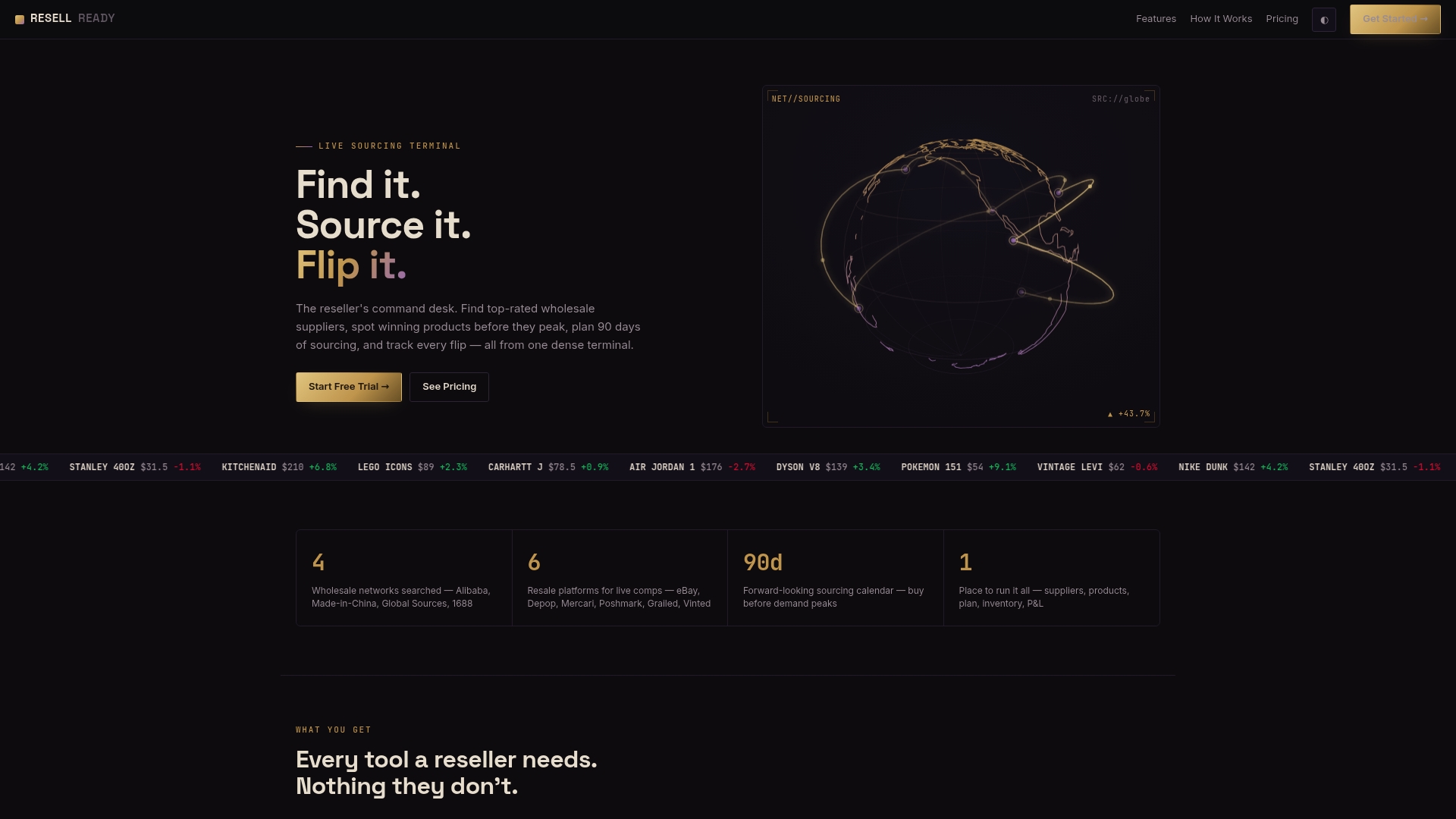
The platform’s verified supplier database cuts your vetting time before you ever pay a deposit, and instant ASIN insights tell you fast whether a product is worth the sourcing risk in the first place. Pair that with inventory tracking and profit trend reporting, and you stop spending inspection dollars evenly across every order and start spending them where a defect would actually hurt. If you’re weighing whether a new sneaker lot is worth the sourcing risk before you even think about booking QC, run the numbers first with the Sneaker Reselling ROI Tracker and prioritize inspection spend accordingly.
Sources
For deeper reading on accreditation and audit practices, see ISO 22241 fleet procurement compliance as a model for standards-based sourcing, plus the pre-shipment inspection overview and supplier audit research cited above.
- Quality Control in China | Inspections, Audits, Lab Testing (QIMA)
- The importance of supplier audits for business (Smithers, 2025)
Recommended
Ready to flip smarter?
ResellReady shows real sold prices, surfaces profitable deals, and builds your buying plan — the Basic plan starts with a 3-day free trial.
Get Started →